By Sophia Afolabi
The oil-rich community of Obitti in Imo State’s Ohaji/Egbema Local Government Area remains a stark emblem of Nigeria’s resource curse, where wealth flows beneath the ground, yet poverty and neglect define daily life. For decades, multinational and indigenous oil firms have operated across the region, extracting crude oil and natural gas, while the local population battles with environmental degradation, joblessness, and decaying infrastructure.
Despite being one of the oldest oil-producing areas in the South East, Obitti residents say the community has been left behind. Access to clean water, healthcare, and good roads remains a dream, even as heavy machinery rolls through farmlands and pipelines through villages. The gap between the billions extracted and the quality of life on the ground has widened, sparking unrest and renewed calls for accountability.
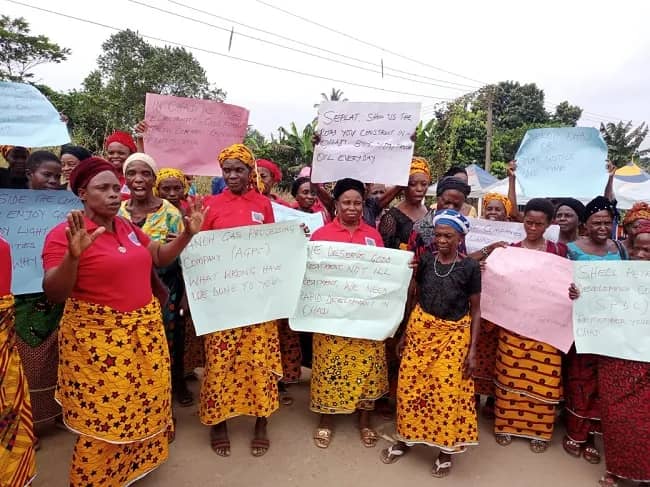
In recent weeks, Ogbako Ohaji People’s Forum, in conjunction with youth and women groups, led a peaceful demonstration through Obitti, demanding an end to what they describe as decades of exploitation. Placards bore messages such as “Our Resources, Our Rights” and “No More Gas Flaring, No More Lies.” The protest drew large crowds, reflecting widespread frustration with oil operators’ activities, particularly the alleged indifference of some firms to community wellbeing.
At the forefront of this demonstration was High Chief Sir Fidelis Enyia (KSJI), Dikeoha, Ikukuoma I of Ohaji, and Chairman of the Ogbako Ohaji People’s Forum. Speaking at the rally, he delivered a strong message to oil companies operating in the area. “We will no longer tolerate the exploitation of our resources and the destruction of our environment without accountability,” he declared. “Sterling Global’s pattern of operation in Obitti—marked by exclusion, environmental disregard, and neglect should end and the people’s grievances should serve as a clarion call to other companies operating in Ohaji.
Chief Enyia emphasized that the protest was not a call to violence, but a plea for justice. “We have tried dialogue, we have written letters, and we have waited. Today, the people of Ohaji rise with one voice not in hostility, but with firm resolve to reclaim our dignity and secure a future for our children,” he stated, as thousands echoed chants of solidarity.
The community’s grievances are wide-ranging. Chief Enyia noted that among them is the continued flaring of gas, which residents say is poisoning the air and leading to health complications. Oil spills have polluted rivers and farmlands, crippling the agrarian economy and leaving many without a means of survival. Locals say they are rarely employed by oil firms operating on their land, and that contracts meant to empower indigenous contractors are often awarded to outsiders.
The Chairman concluded his address by clearly stating the community’s demands: the unconditional release of Comrade Obinna Nwagbo, whom residents allege was unjustly arrested for championing environmental justice; an immediate halt to gas flaring and oil spills; investments in pollution control technologies; and transparent, community-first engagement. He further demanded that companies hire local youths, award contracts to Ohaji indigenes, and invest heavily in roads, schools, and healthcare centers.
Adding his voice to the growing concerns, the federal lawmaker representing the area Eugene DIBIAGWU expresses deep dissatisfaction with the conduct of Sterling Global. He reveals that the issue has been formally raised on the floor of the National Assembly and that the company has been summoned to respond to the allegations.
In response, the base manager of Sterling Global Oil Company Pawan Kumar appeals for calm, assuring the protesters that their grievances have been noted and will be forwarded to the appropriate authorities for prompt attention.
Observers say the protest marks a turning point in Ohaji’s long-standing standoff with oil firms. While oil companies often tout Corporate Social Responsibility (CSR) projects, many of these remain poorly executed or disconnected from the real needs of host communities.
As Nigeria continues to pursue energy diversification and oil reform under the Petroleum Industry Act (PIA), the situation in Obitti is a sobering reminder that resource wealth must translate into human development. Until then, the voices from the heart of Ohaji will only grow louder.