By Sophia Afolabi
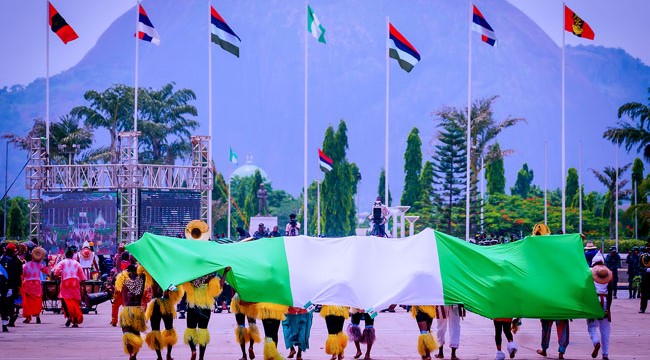
June 12 holds profound significance in Nigeria’s history, embodying the nation’s relentless struggle for democracy, justice, and the collective will of its people. Officially recognized as Democracy Day, this date commemorates the historic 1993 presidential election a watershed moment in Nigeria’s political evolution and honors the sacrifices of those who fought to uphold the principles of freedom and fair governance.
The 1993 Presidential Election: A Defining Moment
On June 12, 1993, Nigerians across ethnic, religious, and regional lines participated in what is widely regarded as the freest and fairest election in the country’s history. Chief Moshood Kashimawo Olawale Abiola (MKO), the candidate of the Social Democratic Party (SDP), contested against Alhaji Bashir Tofa of the National Republican Convention (NRC). The election, marked by unprecedented unity and peaceful conduct, reflected the people’s resounding desire for democratic rule.
Professor Humphrey Nwosu, who led Nigeria’s National Electoral Commission (then NEC, now INEC), did not officially declare MKO Abiola the winner of the June 12, 1993 presidential election at the time. Although the voting was overwhelmingly in Abiola’s favor, an injunction from the Abuja High Court on June 15–16, 1993 halted further announcement of results. Consequently, the commission never formally declared a winner before the election was annulled by the military regime. However, years later Nwosu publicly acknowledged that Abiola had indeed won the election.
The Annulment and Its Consequences
Tragically, the military regime under General Ibrahim Babangida annulled the election, citing unsubstantiated irregularities. This decision triggered nationwide outrage, mass protests, and a deepening political crisis. The annulment not only undermined public trust but also set the stage for further military intervention, culminating in General Sani Abacha’s authoritarian rule.
MKO Abiola: The Unyielding Symbol of Democracy
Refusing to accept the subversion of the people’s will, Abiola declared himself the rightful president in 1994 an act of defiance that led to his arrest and prolonged imprisonment. Despite international pressure, the Abacha regime held him in detention until his controversial death on July 7, 1998. Abiola’s martyrdom became a rallying point for Nigeria’s pro-democracy movement, underscoring the high price of liberty and the resilience of those who champion it.
Recognition and Restitution
In a historic move in 2018, Former Nigeria’s President, Muhammadu Buhari redefined June 12 as Nigeria’s official Democracy Day, replacing May 29. This decision honored the sacrifices of Abiola and countless others who fought for Nigeria’s democratic rebirth. Additionally, Abiola was posthumously awarded the Grand Commander of the Federal Republic (GCFR), Nigeria’s highest national honor, cementing his legacy as a pivotal figure in the nation’s democratic struggle.
President Tinubu: A Steward of Democratic Progress
Today, the sitting President, Bola Ahmed Tinubu, a former pro-democracy activist and key figure in the National Democratic Coalition (NADECO) says his administration will continue to build on the democratic foundations laid by the heroes of June 12. Owing to the fact that he understands the sacrifices that birthed Nigeria’s Fourth Republic, he says His administration remains committed to strengthening democratic institutions, fostering national unity, and ensuring that the ideals of June 12; transparency, justice, and people-centered governance endure for future generations.
A Day of Reflection and Renewed Commitment
June 12 is more than a public holiday; it is a solemn reminder of the power of collective action and the enduring spirit of the Nigerian people. As the nation reflects on its democratic journey, it must also confront ongoing challenges electoral integrity, governance accountability, and socioeconomic equity. Democracy Day calls on every citizen to actively participate in shaping Nigeria’s future, ensuring that the sacrifices of the past translate into lasting progress.
As Nigeria marches forward, June 12 stands as a beacon of hope a testament to the nation’s unbreakable resolve to uphold democracy, justice, and the promise of a better tomorrow.