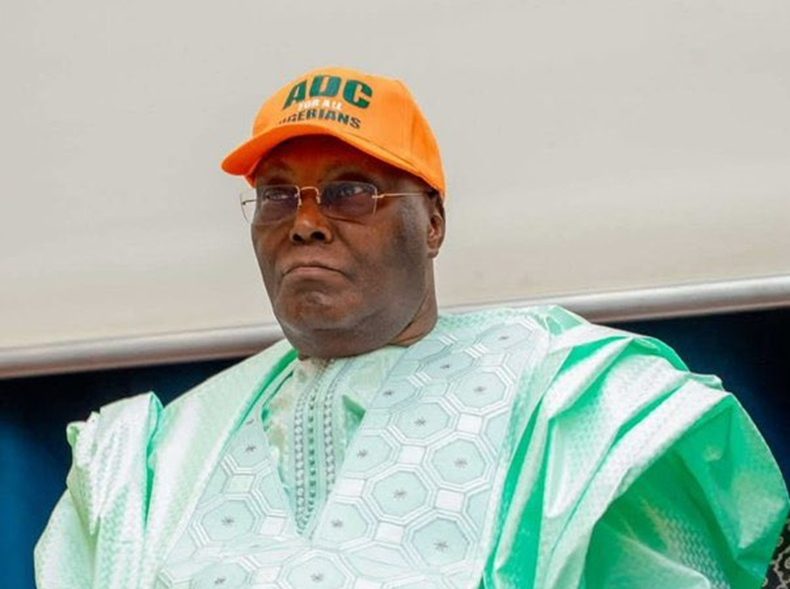

Fresh controversy has emerged in Nigeria’s political space as the Independent National Electoral Commission (INEC) moved to challenge a court decision ordering the deregistration of five political parties, including the African Democratic Congress (ADC) and Accord Party.
Appearing before the Court of Appeal in Abuja, INEC expressed shock over the Federal High Court’s judgment, insisting that it was delivered despite an earlier appellate court order that reportedly halted the proceedings.
The commission’s legal team argued that no official notice of the judgment was served on INEC and that the ruling only came to its attention through widespread media reports.
In a dramatic twist, ADC’s legal representative, Shuaibu Aruwa (SAN), alleged that the party received notification of the judgment through WhatsApp. He criticized the trial court’s decision, describing it as a direct challenge to the authority of the Court of Appeal.
According to Aruwa, urgent intervention is required to prevent what he termed a breakdown in judicial order. He urged the appellate court to suspend the judgment immediately while the appeal is being considered.
The ruling by Justice Peter Lifu ordered the deregistration of ADC, Accord Party, Action Peoples Party (APP), Action Alliance (AA), and Zenith Labour Party (ZLP), citing their failure to satisfy constitutional electoral performance requirements.
The court further prohibited INEC from recognizing the affected parties or accepting nominations from them for future elections, including the crucial 2027 general elections.
Political observers believe the outcome of the appeal could have far-reaching implications for Nigeria’s democratic process, as it will determine whether the affected parties remain eligible to participate in future electoral contests.